
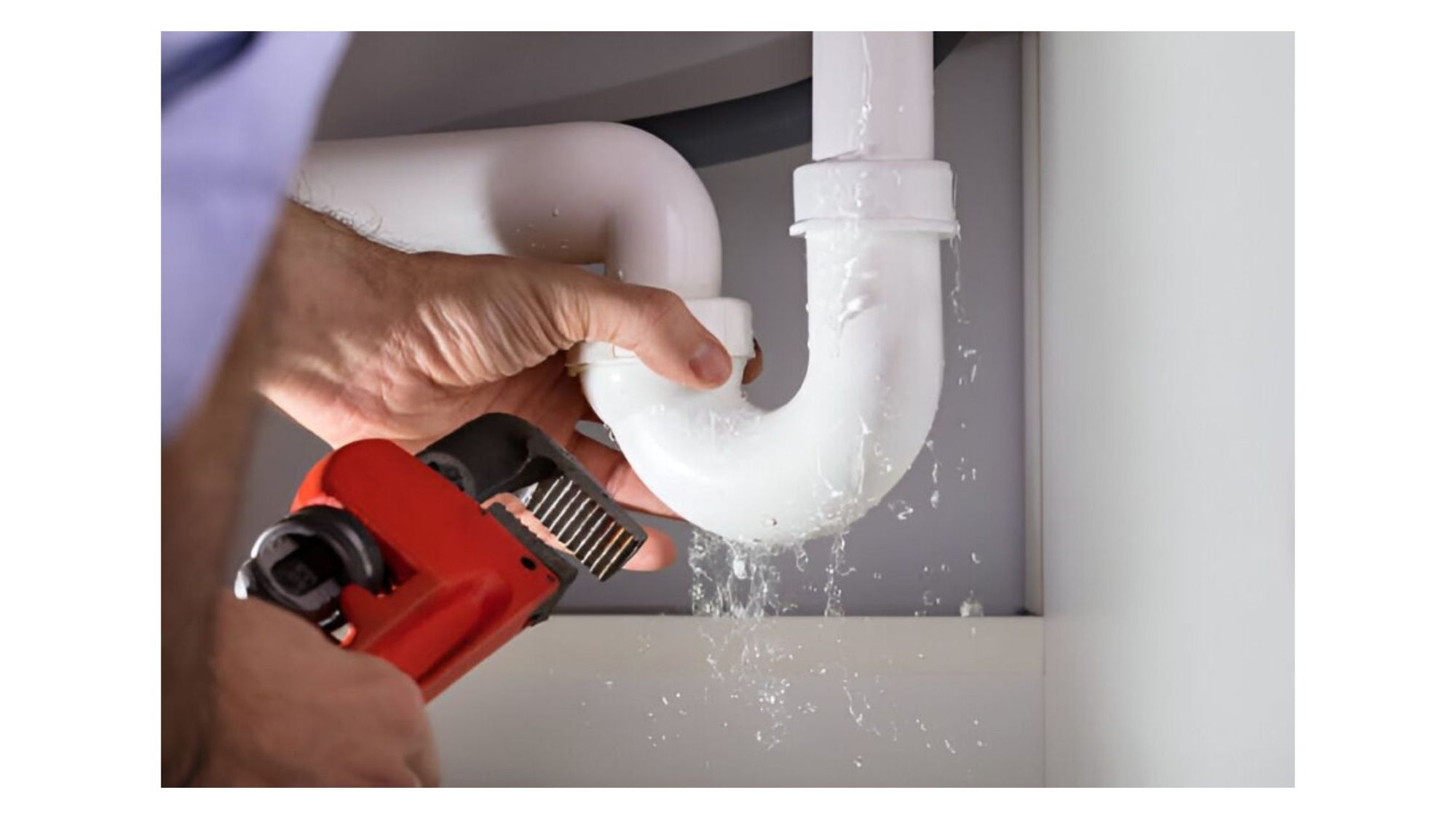
A leak isn't always a visible drip from a pipe joint under the sink. It can be a slow seep behind a wall, a hairline crack in a supply line, or a corroded fitting that's been losing water for months before anyone notices the stain on the ceiling below.
Hamilton homes, particularly those built before 1980, carry a higher risk of pipe failures due to the combination of aging materials, hard water, and decades of freeze-thaw cycling. Galvanised steel corrodes from the inside out, narrowing the pipe bore and eventually developing pinhole leaks that release water into wall cavities. Cast iron drain systems crack over time, especially when soil movement or root pressure is involved. As such, you are left with no other option, but to look for leaking pipe repair services.
How Do You Know If a Pipe Has Already Been Leaking?
The signs are there, but they're easy to dismiss. A water bill that's risen without any change in usage habits is one of the clearest indicators. Other signals include soft spots in flooring above a subfloor-level pipe, bubbling or discolouration on painted drywall, a musty smell in rooms without obvious moisture sources, and reduced water pressure at specific fixtures.
The challenge with slow leaks is that water travels along structural elements before it shows up visibly. A leak originating at a joint inside the wall might appear as a stain on the ceiling two rooms away. This is why proper leak detection, using acoustic sensors and thermal imaging rather than guesswork, is a necessary part of any serious repair approach.
What Does Kitchen Sink Pipe Repair Actually Involve?
More than most people expect. The drain assembly under a kitchen sink includes the drain basket, tailpiece, p-trap, and trap arm running into the wall. Any of these can fail, and they often fail in combination after years of exposure to hot water, grease, and cleaning chemicals.
Kitchen sink pipe repair most commonly involves replacing a corroded p-trap or resealing a leaking drain basket. In older homes, the trap arm inside the wall may have accumulated enough scale and grease to require jetting rather than a simple snake. If the drain line itself has corroded or cracked where it runs horizontally inside the wall, section replacement is necessary. A licensed plumber will assess the full assembly rather than just the visible component.
When Is a Burst Pipe an Emergency?
Almost always. A supply line that fails under pressure doesn't trickle; it releases water at the full flow rate of whatever it's connected to, which in a typical residential system can be 40 to 60 PSI. Within minutes, that's significant water volume inside a wall, ceiling, or floor assembly. Burst pipe repair in Hamilton needs to happen fast.
The first step is always to isolate the supply, either at the branch valve closest to the failure or at the main shutoff if the branch valve isn't accessible or isn't holding. After isolation, the extent of the damage can be assessed. Pipe section replacement is usually straightforward on accessible runs. Lines embedded in concrete slabs or behind finished walls require more work but the approach is well established for experienced plumbers.
The secondary damage, water soaking into insulation, subfloor, and framing, is where the real cost accumulates if repair is delayed. Acting within the first hour of a pipe failure makes a meaningful difference in how much remediation follows.
Are There Preventive Steps That Actually Work?
Yes, and they're practical. Replacing braided stainless supply lines under sinks and behind toilets every seven to ten years removes one of the most common failure points in a residential system. Having a drain camera inspection done every few years on older homes catches root intrusion and corrosion before they turn into backups or failures. Checking water pressure with a gauge at an outdoor hose bib takes about two minutes and tells you whether the system is running above 80 PSI, which is hard on joints and fittings over time.
These aren't complicated steps, and a plumber can handle all of them in a single maintenance visit.
Getting Pipe Repairs Done Right in Hamilton
Whether you're dealing with a slow leak behind a wall, a kitchen drain that's started backing up, or a sudden pipe failure that needs immediate attention, the right response is the same: call a licensed plumber who can diagnose the actual source rather than address only what's visible. The Hamilton Plumber handles the full range of pipe repair work across Hamilton, from routine maintenance to emergency response. Reach out through the contact page and get a straight answer on what your pipes actually need.